


We’re here to help
Find Modern Pest Services Near You
Modern Pest Services technicians are local experts that understand the unique pest challenges in your community
Ready For Expert Pest Control?
Enter your zip code below or call (800) 323-7378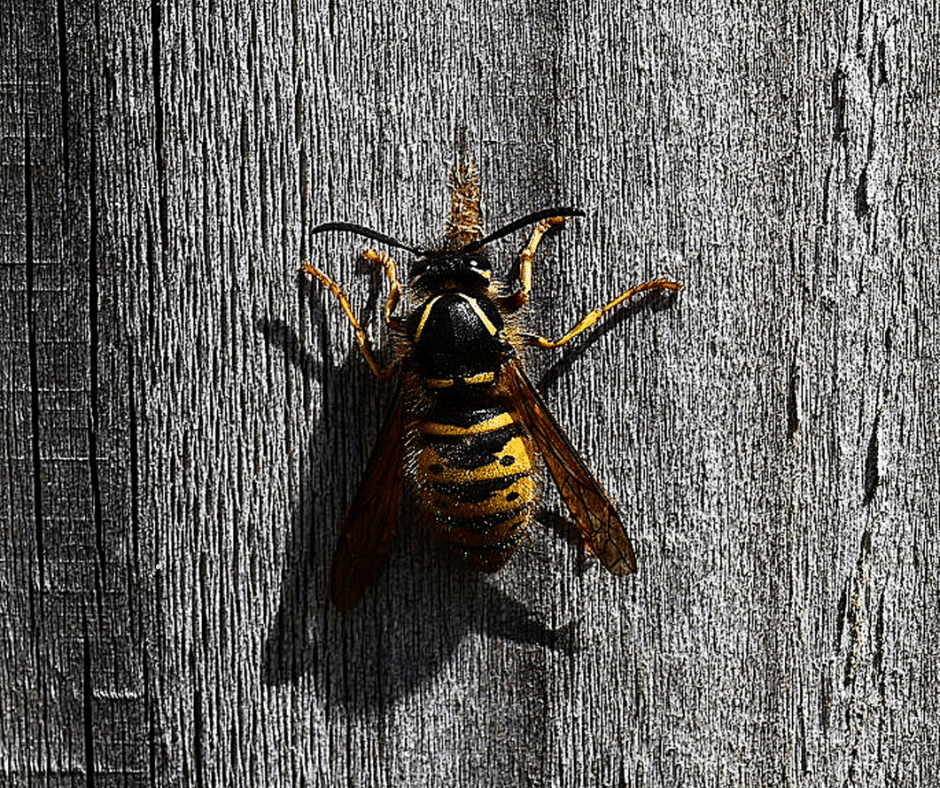
Seeing Wasps—or an Active Nest?
Wasps, hornets and yellowjackets commonly nest around rooflines, soffits, decks, sheds, trees, wall openings and holes in the ground. Frequent activity in one area or insects repeatedly entering the same opening can indicate an active nest.
Tell us where you’re seeing activity, whether a nest is visible and how close it is to frequently used areas. A Client Care Professional will assess the situation by phone, explain the recommended service and provide a free quote. Your technician will inspect and confirm activity during the initial service.
Tell Us What You’re Seeing
Let Client Care know where you see activity, whether a nest is visible and whether it is near doors, walkways or outdoor living areas.
Get Assessed by Phone
A Client Care Professional will review the activity with you and determine the appropriate service.
Receive Your Free Quote
We’ll explain the recommended service, what it includes and the cost before you schedule.
Schedule Initial Service
Your technician will inspect the affected areas, confirm activity and complete the appropriate targeted treatment.
Common Stinging Insects Around New England Homes
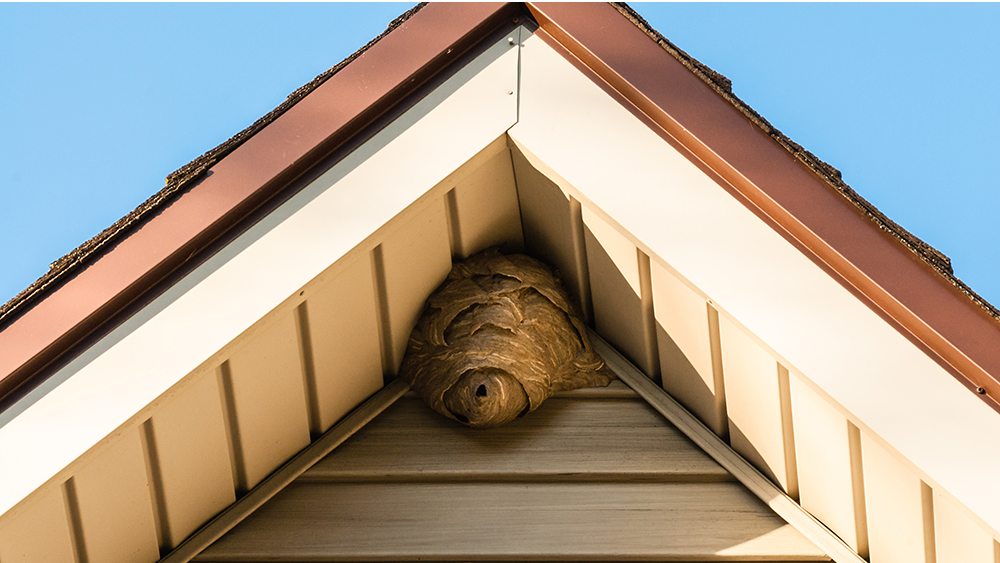
Yellowjackets may nest underground, inside wall voids or in other protected spaces. Paper wasps often build exposed, umbrella-shaped nests beneath eaves and railings. Bald-faced hornets create enclosed paper nests that may hang from trees, shrubs or structures.
You do not need to identify the insect before contacting Modern. If it is safe to observe from a distance, note where insects enter and leave and what the nest looks like. Our wasp-nest guide can also help you recognize common nesting patterns.
Why Professional Stinging Insect Control Matters
Wasps, hornets and yellowjackets can become defensive when a nest is disturbed, and some species can sting repeatedly. Avoid striking, spraying or sealing an active nest opening. Keep children and pets away from the area and let a trained professional determine the appropriate treatment.
Signs of an Active Nest
You may not be able to see the nest itself. Look for these common signs of concentrated activity:
- Wasps repeatedly entering and leaving the same opening
- A visible paper nest beneath an eave, deck or branch
- Activity around a hole in the ground or structural gap
- Increased activity near doors, walkways or outdoor seating
Do not block an opening while insects are actively using it. Your technician will identify the activity when possible and determine the appropriate treatment during the initial service.
What Happens During Initial Service?
Your technician focuses on the active nest, entry opening or travel area and applies the appropriate targeted treatment.

Inspect the Activity
Your technician examines the affected area and identifies the likely nest, entry opening or concentrated travel pattern.
Identify the Insect
When possible, we determine whether the activity involves yellowjackets, paper wasps, hornets or another stinging insect.
Apply Targeted Treatment
Treatment is focused on the active nest, opening or travel area rather than broadly applied around the property.
Explain Next Steps
We explain treatment expectations, prevention steps and how HomeCare Green provides ongoing coverage.
Stinging Insect Control Is Included With HomeCare Green
Modern provides covered wasp, hornet and yellowjacket control through HomeCare Green. Initial service addresses the active nest or activity you have now, followed by scheduled prevention and unlimited callbacks for covered pest activity.
General estimates only. Pricing varies by home and service needs.
More Than a Wasp-Nest Treatment
Stinging Insect Control Is Part of HomeCare Green
Modern provides covered wasp, hornet and yellowjacket control through HomeCare Green. Your initial service addresses the active nest or activity you have now. The program then shifts from reacting to one pest problem to helping prevent the next one.
If another covered nest appears—or ants, mice or another covered pest shows up later—you already have coverage and a team to call.
Separate pest treatments commonly cost $200–$400 each. Ongoing plans can start around $50 per month. See cost details.
With HomeCare Green, You Get:
- Treatment for covered wasp, hornet or yellowjacket activity
- Coverage for rodents, ants and 55+ common pests
- Three strategically timed services each year
- Unlimited callbacks for covered pest activity
- 100% satisfaction guarantee
HomeCare Green
STINGING INSECT TREATMENT +
YEAR-ROUND PREVENTION
Year-round protection for common household pests
Coverage includes rodents, ants, and 55+ common pests
Tri-annual inspections and treatments
100% Satisfaction Guarantee
Unlimited callbacks

Why Preventative Service Is Worth Considering
Wasps or hornets may be the problem today, but New England homes face changing pest pressure throughout the year. Other insects are common during warmer months, while mice often move indoors as temperatures fall.
HomeCare Green combines treatment for today’s covered problem with three strategically timed services, protection against more than 55 common pests and unlimited callbacks. Instead of starting over—and paying for another separate service—whenever a covered pest appears, you already have a team to call.
Wasp & Stinging Insect Control FAQs
Don’t see your question answered? Get in touch today!
When should I call about a wasp or hornet nest?
Call when you notice repeated activity in one location, insects entering and leaving the same opening or a visible nest near your home. Do not wait for the nest to become larger or attempt to disturb it yourself.
How much does stinging insect control cost?
Pricing varies based on the type of insect, nest location, accessibility, home size and recommended service. A Client Care Professional will assess the situation by phone and provide a free quote before you schedule.
Why are there suddenly so many wasps around my home?
Wasp and hornet colonies grow throughout the warm season, so activity often becomes more noticeable as the number of workers increases.
Food, sugary drinks, open trash and protected nesting locations can also attract activity around homes. Repeated traffic to one opening may indicate a nest in a wall void, roofline, ground cavity or other sheltered location.
What are the signs of an active nest?
Common signs include a visible paper nest, wasps repeatedly entering the same opening, concentrated activity around a hole in the ground or increased activity near doors and outdoor living areas.
Give the area space. Do not spray, strike or seal an active opening, since disturbing the nest can trigger defensive behavior.
Is stinging insect control included in HomeCare Green?
Yes. Covered wasp, hornet and yellowjacket activity is addressed through HomeCare Green. The program also includes three strategically timed services, more than 55 covered common pests and unlimited callbacks for covered activity.
How can I reduce future stinging insect activity?
Seal accessible gaps when they are not being actively used, keep trash covered, remove fallen fruit and avoid leaving sugary food or drinks outdoors. Trimming vegetation away from the structure can also reduce sheltered nesting locations.
No service can prevent every flying insect from entering a property or attempting to establish a nest. HomeCare Green provides scheduled prevention and unlimited callbacks so covered new activity can be addressed.
Sign Up for Exclusive Content & Special Offers
By submitting this form, you agree to allow Modern Pest Services to contact you via e-mail.