

Expert Pest Control for Carpenter Ants in Portland

Pest control for carpenter ants in Portland starts with finding where the colony is active, what wood or moisture conditions are supporting it, and how ants are entering the structure. At Modern Pest Services, we help homeowners and businesses throughout Portland and nearby Maine communities protect their properties with professional inspections, targeted treatment, and prevention-focused recommendations.
Carpenter ants are common in Maine homes because they thrive around moisture-damaged wood, older exterior trim, crawl spaces, decks, porches, basements, and tree cover. In Portland, coastal weather, seasonal humidity, mature landscaping, and older homes can all create conditions that allow carpenter ants to move in quietly before the problem becomes obvious.
If you are searching for carpenter ant control near me because you are seeing large black ants indoors, noticing winged ants, finding sawdust-like debris, or seeing activity near windows, doors, kitchens, bathrooms, basements, or damp wood, our carpenter ant control team can help. We inspect carefully, explain what we find, and recommend a customized carpenter ant treatment plan for your property.
Carpenter Ant Treatment in Portland, ME
travel from an outdoor nest, establish satellite colonies inside a structure, or move through damp wood and hidden voids. A basic surface treatment may reduce the ants you see for a short time, but lasting protection depends on identifying the source of the activity.
Our technicians inspect the areas where carpenter ants are most likely to travel and nest. This may include basements, crawl spaces, wall voids, window frames, door frames, siding, decks, porches, rooflines, utility openings, tree lines, stumps, firewood storage, and areas with moisture or wood decay.
From there, we recommend treatment that targets current activity and supports long-term prevention. For homeowners who want broader protection, our residential pest control programs can help address carpenter ants along with other pests found in Maine homes. For customers dealing with multiple indoor pests, household pest control may provide a practical option for long-term protection.
Why Carpenter Ants Are Common in Portland Homes
Portland properties often provide the moisture and wood conditions carpenter ants need. Coastal weather, shaded yards, mature trees, old decks, damp basements, leaking gutters, and weathered exterior trim can make a home more attractive to carpenter ants. Once ants find softened wood, food, and access, they may continue expanding their activity.
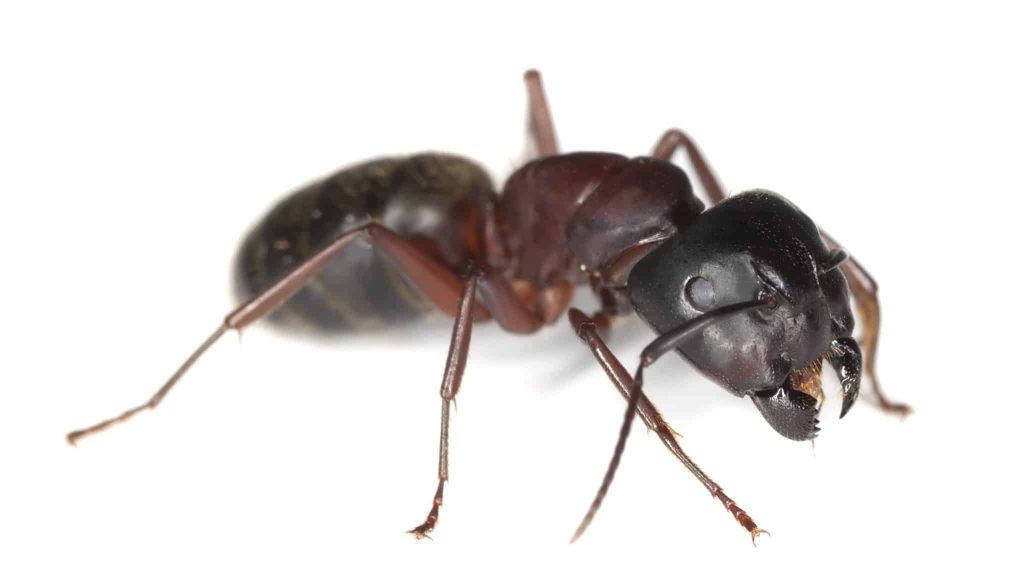
Carpenter ants do not eat wood like termites. Instead, they excavate wood to create galleries for nesting. Over time, that activity can affect vulnerable wood, especially when a colony remains active and moisture problems are not corrected. Because carpenter ants often move through hidden pathways, you may only see a few ants indoors while a larger colony is active nearby.
Modern Pest Services looks at both the pest activity and the conditions behind it. That means we may recommend treatment along with practical prevention steps, such as reducing moisture, trimming branches, improving drainage, removing rotting wood, and sealing access points.
Signs You Need a Carpenter Ant Exterminator in Portland
Carpenter ants can be active for some time before a property owner notices obvious signs. They are often most visible at night, when workers forage for food and water.
You may need a carpenter ant exterminator in Portland if you see large black ants indoors, winged ants near windows or lights, small piles of frass that look like sawdust, faint rustling sounds in walls, activity around damp wood, or ants returning after DIY treatment. You should also schedule an inspection if ants are appearing near kitchens, bathrooms, basements, crawl spaces, decks, porches, or exterior wood features.
It is also smart to schedule an inspection if you have had recent water damage, roof leaks, plumbing leaks, clogged gutters, soft trim, or deck repairs. Moisture-damaged wood can support carpenter ant activity, and early attention can help reduce the risk of a larger infestation.
Portland, ME Modern PEST Services OFFICE



Carpenter Ants vs. Termites and Other Wood-Damaging Pests
Carpenter ants and termites can both affect wood, but they require different treatment strategies. Carpenter ants excavate galleries in wood for nesting, while termites consume cellulose. The signs, damage patterns, and best treatment methods are not the same.
If you are seeing damaged wood, frass, winged insects, or unexplained activity around structural materials, our team can inspect for signs of carpenter ants and related pest concerns. If termite activity is suspected, we may recommend a termite treatment inspection or a separate treatment plan based on what we find.
Accurate identification matters. Treating the wrong pest can waste time and allow the actual issue to continue. Our technicians explain what we find and recommend a plan based on the pest, the property, and the conditions present.
How Much Does Carpenter Ant Control Cost in Portland?
The cost of carpenter ant control in Portland depends on the size of the property, the level of activity, the location of the nest or colony, the number of affected areas, and whether ongoing prevention is recommended. A localized exterior issue is different from activity involving wall voids, damp wood, decks, porches, basements, or multiple areas of the home.
We recommend an inspection and quote because carpenter ant problems are property-specific. Our technicians look for activity patterns, moisture, damaged wood, entry points, and conditions that may allow ants to return. From there, we provide a clear recommendation based on what your property needs.
For many customers, carpenter ant control may be part of a broader year-round pest management plan. This can be especially helpful in Maine homes where ants, rodents, spiders, mosquitoes and ticks, and other pests may create seasonal pressure.
What Affects Carpenter Ant Treatment Cost?
Several factors can influence the total cost, including property size, colony location, treatment complexity, access to affected areas, moisture conditions, exterior nesting sites, and the need for follow-up. Portland homes can vary widely, from historic homes and coastal properties to newer residences, condos, multifamily buildings, and small businesses.
Our goal is to recommend the right level of service without guesswork. We explain what we find, answer questions, and provide practical treatment and prevention guidance.
Why Choose Modern Pest Services for Carpenter Ant Control?
Modern Pest Services brings nearly 80 years of pest control experience to homes and businesses across New England, including Portland and surrounding Maine communities. Our trained, background-checked technicians understand the pests that affect Maine properties, including carpenter ants, rodents, mosquitoes and ticks, termites, bed bugs, and other common pests.
Focused Experience in Carpenter Ant Control
Carpenter ants require a careful, inspection-based approach. We evaluate activity patterns, nesting conditions, moisture concerns, exterior access points, and likely colony locations so we can recommend treatment that fits the property. We use environmentally responsible products whenever possible and apply treatments with care, precision, and respect for your home or business.
Local Portland Pest Control Insight
Our technicians live and work in the communities we serve. In Portland, that means understanding how coastal moisture, older wood features, mature landscaping, basements, decks, and seasonal weather can influence carpenter ant activity. We combine local insight with dependable appointment times and responsive support.
Client-First Support
We focus on clear communication, courteous service, and practical recommendations. We stand behind our work with satisfaction-focused support and callbacks based on the service program selected.

Our Carpenter Ant Treatment Process
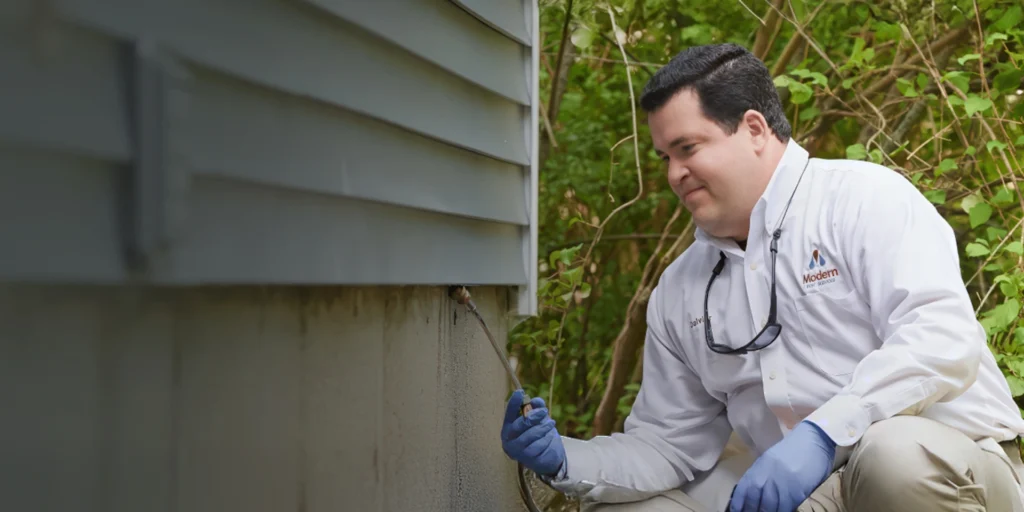
Our process starts with a detailed inspection. We look for visible ants, trails, frass, winged ants, moisture issues, damaged wood, entry points, and possible nesting areas. We may also ask where you have seen ants, when activity is most noticeable, and whether there have been leaks, repairs, or exterior changes around the property.
Next, we explain our findings and recommend a targeted treatment plan. Depending on the situation, treatment may focus on active trails, exterior entry points, void areas, nesting zones, or nearby outdoor sites. Our goal is to help control the current colony activity and reduce the conditions that allow carpenter ants to return.
After treatment, we provide prevention recommendations. These may include reducing moisture, sealing gaps, trimming branches away from the structure, improving drainage, removing decaying wood, relocating firewood, and repairing damaged trim, decks, or porch materials.
Carpenter Ant Control in Portland and Nearby Maine Communities
Get In Touch With Our Team
Give us a call at 1-800-323-7378 or complete this form to get in touch with a Client Care Professional
Carpenter Ant Control in Portland FAQs
How do I know if I have carpenter ants in my Portland home?
You may have carpenter ants if you see large black ants indoors, winged ants near windows, sawdust-like debris, faint rustling sounds in walls, or recurring ant activity after DIY treatment. These signs are often most noticeable near kitchens, bathrooms, basements, laundry areas, window frames, doors, decks, porches, or other areas with moisture.
In Portland, carpenter ants are often connected to damp wood, coastal moisture, roof or plumbing leaks, aging trim, crawl spaces, and mature trees near the structure. Our Portland pest control team looks for the source of activity, not just the ants you can see.
For more help identifying warning signs, read Modern Pest’s guide to signs of carpenter ants.
Are carpenter ants common in Portland, Maine?
Yes, carpenter ants are common in Portland and throughout Maine because they thrive around moisture, wood, tree cover, and older structures. Portland homes can be especially vulnerable when damp basements, weathered exterior trim, decks, porches, roofline issues, or wood-to-soil contact create ideal nesting conditions.
Carpenter ants may nest outdoors in trees, stumps, firewood, or decaying wood, then travel inside to find food or establish satellite colonies. They may also nest indoors when softened wood is available.
Modern Pest’s carpenter ant control services are designed to identify activity patterns, locate contributing conditions, and recommend targeted treatment.
Do carpenter ants damage wood like termites?
Carpenter ants and termites both involve wood, but they cause damage in different ways. Carpenter ants do not eat wood. They chew through softened or vulnerable wood to create nesting galleries, then push out debris that can look like coarse sawdust.
Termites feed on cellulose, which means their treatment needs and damage patterns are different. Because both pests can be hidden, accurate identification is important.
In Portland homes, moisture-damaged trim, basement framing, porch supports, decks, and sill areas may attract carpenter ants. If termite activity is suspected, we may recommend a separate inspection or termite treatment approach.
What attracts carpenter ants to homes in Portland?
Carpenter ants are attracted to moisture, accessible wood, food sources, and entry points. In Portland, common conditions include clogged gutters, roof leaks, damp basements, plumbing leaks, soft deck boards, damaged exterior trim, wood piles near the home, tree branches touching the structure, and poor drainage around the foundation.
These ants often start outdoors, then travel inside through small gaps around doors, windows, siding, utility lines, vents, foundations, or roofline openings. Once inside, they may forage for food or establish a satellite colony if damp or damaged wood is available.
Our residential pest control team evaluates both the visible activity and the surrounding conditions. We may recommend moisture correction, branch trimming, firewood relocation, exclusion improvements, and targeted treatment to reduce current and future carpenter ant activity.
Can I get rid of carpenter ants myself?
DIY products may kill some visible carpenter ants, but they often do not reach the main nest or satellite colonies. Carpenter ants can nest inside wall voids, damp wood, porch structures, trees, stumps, decks, or nearby exterior materials.
If the colony source is missed, the activity can return even after a temporary reduction. Store-bought sprays can also make trails harder to follow and may not address moisture or structural conditions that support the infestation.
Professional household pest control gives you a more complete approach. Our technicians inspect likely nesting and entry areas, identify activity patterns, and recommend treatment based on what we find. For additional background, read Modern Pest’s guide on identifying and controlling carpenter ants.
How much does carpenter ant control cost in Portland?
Carpenter ant control cost in Portland depends on the size and layout of the property, the level of activity, where the ants are nesting, how accessible the affected areas are, and whether follow-up or ongoing protection is recommended. A small exterior issue may be different from a larger infestation involving wall voids, moisture-damaged wood, decks, porches, or multiple rooms.
We recommend an inspection and quote because carpenter ant problems are highly property-specific. Our technicians look for activity, moisture, damaged wood, entry points, and conditions that may allow ants to return.
From there, we explain your options clearly and recommend service based on your needs. Modern Pest Services can also discuss broader year-round protection if carpenter ants are part of a larger pest concern involving other common Maine pests.
Do carpenter ants stay active in winter?
Carpenter ants are usually less active in winter, but indoor sightings can happen when a colony is established inside a heated structure. If you see large black ants indoors during colder months, especially near windows, walls, basements, or damp wood, it may point to an indoor nesting issue.
Warm indoor conditions can allow carpenter ants to remain active when they would normally slow down outdoors. That is why winter sightings should not be ignored.
Modern Pest explains this seasonal issue in more detail in its guide to carpenter ants in winter.
When should I call a carpenter ant exterminator in Portland?
You should call a carpenter ant exterminator in Portland when you see repeated indoor ant activity, large black ants, winged ants, sawdust-like debris, or signs of activity near damp wood. Service is especially important after leaks, roof issues, basement moisture, deck damage, exterior trim problems, or wood repairs.
Early inspection can help identify the source before activity spreads. In Portland, carpenter ant activity often increases as temperatures warm, but indoor sightings can happen whenever colonies find food, shelter, or moisture.
Modern Pest Services can inspect your property, confirm the pest, and recommend a targeted plan for treatment and prevention. For help from a local team with nearly 80 years of New England pest control experience, schedule pest control service with Modern Pest Services.

We’re here to help
Find Modern Pest Services Near You
Modern Pest Services technicians are local experts that understand the unique pest challenges in your community
Ready For Expert Pest Control?
Enter your zip code below or call (800) 323-7378Sign Up for Exclusive Content & Special Offers
By submitting this form, you agree to allow Modern Pest Services to contact you via e-mail.