
Pest Control for Restaurants: How to Keep Your Business Safe and Sanitary

Restaurants face some of the toughest scrutiny of any commercial establishment, and understandably so, given how much is at stake. A well-established restaurant with a stellar reputation could see years of hard-earned customer trust come crashing down after a single mouse sighting or a cockroach feasting on pastries in a display case.
But reputational damage may be the least of your worries when pests contaminate food and put your customers’ health at risk. No restaurant owner wants to be at the center of a foodborne illness investigation.
In this guide, we’ll cover everything you need to know about pest control for restaurants, from the most common pests and how to prevent them to the importance of complete professional pest management.
Importance of Restaurant Pest Control
Running a restaurant means maintaining high standards of cleanliness and food safety, and pest control is a big part of that responsibility.
Protect Food Safety and Prevent Contamination
Pests can introduce serious health risks into your restaurant by contaminating food and kitchen surfaces with harmful pathogens. Mice, for example, can spread disease-causing organisms through their droppings and urine, even without coming into direct contact with food.
Effective pest control helps keep these unwanted visitors away from your ingredients and food preparation areas. Your restaurant can maintain high standards of food safety while protecting the quality of the meals you serve your customers.
Meet Health Regulations and Avoid Penalties
Restaurants are legally required to maintain effective pest control measures to protect public health and prevent food contamination. State and local health departments enforce these requirements, many of which are based on the FDA Food Code.
Failing to meet these requirements can lead to health code violations, mandatory corrective actions, and fines. In severe cases, your restaurant could even face temporary closure until the problem is resolved.
Protect Your Restaurant’s Reputation
A customer’s encounter with a pest in your restaurant can set off a social media firestorm or a wave of negative word-of-mouth, or both. Either way, it can open the floodgates to one-star reviews and calls to “cancel” your business.
Many businesses have struggled to bounce back from such a fiasco, and some have closed doors after failing to regain their customers’ trust. Needless to say, investing in proper pest control is well worth the time, money, and effort to maintain the high dining standards your customers expect.
Avoid Financial Losses and Business Disruptions
All the risks discussed above share a common thread: without proper pest control, your restaurant could lose a significant amount of money and business.
Pest-contaminated ingredients have to be thrown away and replaced. Temporary closures mean lost revenue and additional operating expenses as you work to resolve the infestation. And losing customers due to negative publicity can mean continued financial losses long after the pest problem has been resolved.
Restaurants Need a Proactive Pest Control Program
Despite your best efforts to keep the establishment clean, some factors that contribute to pest problems are simply beyond your control.
Neighboring businesses may unknowingly harbor growing pest populations that eventually spread into your property. Seasonal changes can also bring unwanted visitors, most notably rodents that seek food and shelter indoors during the cold months.
For that reason, you can’t afford to adopt a reactive approach and wait until pests become visible before taking action. Restaurant pest control calls for a proactive approach, where management and staff consistently do their part to prevent infestations.
An effective way to keep pest activity under control is through Integrated Pest Management (IPM). Here’s what a complete IPM program looks like in a restaurant setting:
| IPM Component | Purpose | Restaurant-Specific Practices |
| Inspection and identification | Identify pest activity, entry points, and conditions that attract pests | Inspect kitchens, storage rooms, and receiving areas regularlyCheck for droppings, gnaw marks, and insect activityIdentify pest species to determine appropriate control methods |
| Sanitation and housekeeping | Remove food and water sources that attract pests | Clean spills and food debris promptlyEmpty trash bins and keep lids closedClean beneath kitchen equipment and other hard-to-reach areas |
| Exclusion and structural maintenance | Prevent pests from entering or finding shelter inside the building | Seal gaps around pipes and utility penetrationsInstall door sweeps and repair damaged screensFix leaks and eliminate standing water |
| Monitoring and early detection | Identify pest activity before infestations become established | Place monitoring traps in appropriate locationsCheck devices regularly for signs of activityTrack recurring pest sightings and problem areas |
| Targeted pest treatments | Control existing pest populations while minimizing risks to food, customers, and staff. | Use pest-specific treatments where neededApply pesticides only in permitted areasSchedule treatments around food preparation and service hours |
| Documentation and reporting | Maintain records of pest activity and corrective actions to support health inspections | Keep pest control service reports and inspection logsRecord pest sightings and corrective actionsMaintain treatment records and monitor recurring issues |
To make an IPM program truly successful, staff training and accountability are essential. Management must establish clear pest prevention protocols and provide employees with the necessary training and resources.
In turn, kitchen staff, servers, and cleaning personnel must consistently follow these procedures, maintain proper sanitation, and promptly report any signs of pest activity.
Common Restaurant Pests and How to Get Rid of Them
Among the myriad of pests that can infest New England restaurants, the following are the most common ones to watch out for.
Rodents (Mice and Rats)
Notorious for spreading diseases such as salmonellosis and leptospirosis, mice and rats are a year-round concern for restaurants. Colder weather can make matters worse, as rodents seek refuge indoors, contaminating food and surfaces while scavenging for their next meal.
These pests can enter through gaps as small as 1/4 inch for mice and 1/2 inch for rats. Such tiny openings can easily go unnoticed, as they’re often concealed around utility pipes, beneath worn door sweeps, and along the edges of loading dock doors that don’t close tightly.
Once inside, rodents can establish nests in secluded areas such as wall voids, behind kitchen equipment, and inside storage boxes.
Signs of rodents:
- Small, dark droppings near food storage shelves or along walls
- Gnaw marks on food packaging and electrical wiring
- Shredded paper or insulation used as nesting material
- Scratching noises inside walls or ceilings, often after closing
How to get rid of them:
- Seal entry points around utility pipes, doors, and other openings with rodent-resistant materials.
- Store ingredients in sturdy plastic or metal containers with tight-fitting lids instead of cardboard boxes or open bags.
- Keep receiving doors closed when not in use.
- Inspect incoming deliveries for damaged packaging or signs of rodent activity.
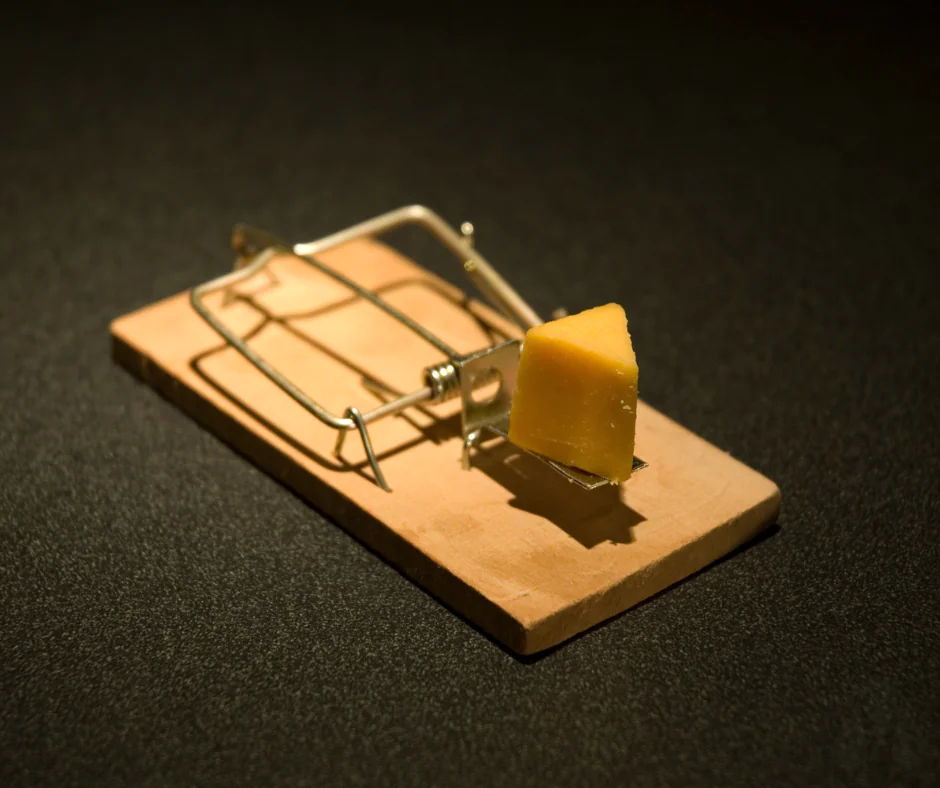
- Place snap traps along walls and known rodent travel routes, preferably in tamper-resistant enclosures away from food preparation areas and customer access.
Cockroaches
Cockroaches thrive in the warm, humid conditions found in commercial kitchens. As such, you’ll often find them hiding behind refrigerators, beneath dishwashers, and in cracks around cabinets or plumbing fixtures.
German cockroaches are a major concern because they reproduce quickly. They can establish populations in surprisingly small spaces before spreading throughout your restaurant and posing health risks from bacteria such as Salmonella and E. coli.
Signs of cockroaches:
- A persistent, musty odor in heavily infested areas
- Small, dark droppings that resemble coffee grounds or black pepper
- Egg cases and shed skins near hiding spots
- Live cockroaches during daylight hours, which may indicate a larger hidden population
How to get rid of them:
- Repair plumbing leaks and eliminate standing water to reduce excess moisture.
- Clean grease and food debris from beneath appliances and other tight spaces.
- Inspect incoming deliveries for cockroaches (especially cardboard boxes and packaging).
- Use cockroach gel baits labeled as appropriate for food establishments. Follow the placement and safety instructions.
- Avoid indiscriminate use of over-the-counter sprays, which can scatter cockroaches or contaminate food if misapplied.
Ants
Pavement ants and odorous house ants are two common culprits behind ant infestations in New England restaurants. Both have a sweet tooth, often drawn to syrups and other sticky food and drink residues in kitchens and dining areas.
Carpenter ants pose an entirely different level of risk. They excavate tunnels inside wooden structures to build their nests, gradually weakening structural timber as the infestation progresses. What begins as a food safety issue can turn into a structural problem if left unchecked.
Signs of ants:
- Trails of ants along baseboards, countertops, or walls
- Small piles of soil or sand near cracks in floors and foundations
- Winged ants emerging indoors, which may indicate a nearby colony
- Piles of frass (fine, sawdust-like wood shavings) near wooden structures, which may indicate carpenter ant activity
How to get rid of them:
- Wipe up sugary spills and food crumbs promptly, including beneath beverage dispensers.
- Store sugar, syrups, and other ingredients in airtight containers.
- Seal cracks around foundations, doors, windows, and utility penetrations where ants can enter.
- Trace ant trails to identify entry points, locate possible nesting areas, and determine where ant bait stations may be most effective.
- Use ant baits according to label instructions, keeping them away from food, utensils, and food preparation surfaces.
Flies
The folk song ‘Shoo Fly, Don’t Bother Me!’ pretty much sums up how helpless diners and restaurant staff can feel when dealing with flies. Their quick movements make them notoriously difficult to catch and kill, which is downright annoying.
But beyond the nuisance factor lies a more serious concern. Flies can carry harmful pathogens from the filth they land on before buzzing their way onto diners’ plates and kitchen workstations. Restaurant owners need to be especially vigilant during the warmer months, when flies are out in full force.
How to get rid of them:
- Keep trash bins tightly covered and empty them regularly to prevent house flies and fruit flies from accessing food waste.
- Remove overripe produce and clean up sugary spills around beverage stations.
- Scrub floor drains and sink drains to remove the organic buildup where drain flies breed.
- Install door sweeps, window screens, and air curtains to prevent house flies from entering through exterior openings.
- Use insect light traps to capture adult house flies, positioning them away from areas where food is handled or served.
Mosquitoes
Mosquitoes may not carry the same food contamination risks as other restaurant pests. But they pose a more direct threat to the health and comfort of your customers and staff.
Their bites can leave customers with itchy welts, and you’d be lucky if the trouble stopped there. Infected mosquitoes can also transmit diseases such as West Nile virus, which can cause serious health complications in some people.
They’re active from spring through fall in New England, which also happens to be prime season for alfresco dining.
How to get rid of them:
- Empty standing water from planters, buckets, and clogged gutters.
- Change water in outdoor decorative fountains or keep it circulating to discourage mosquito breeding.
- Trim overgrown shrubs, tall grass, and dense vegetation around patios to reduce shady, sheltered areas where adult mosquitoes rest.
- Install or repair window screens and door screens to keep mosquitoes from entering indoor dining areas.
- Keep exterior doors closed when not in use.
- Consider installing properly fitted screen doors or air curtains at frequently used entrances.
- Use outdoor fans around patio seating areas to make it harder for mosquitoes to fly and land on customers.
When You Should Hire a Professional Pest Control Service for Your Restaurant
To be fair, there’s plenty you and your staff can do to keep pests at bay. If you’re dealing with occasional pest sightings, good housekeeping and basic pest prevention practices may be enough to address the problem.
But if you’re dealing with an infestation or you simply don’t want to gamble with an upcoming health inspection, don’t think twice about calling in an expert. A professional restaurant pest control service helps you with the following:
- Integrated Pest Management (IPM): You get a comprehensive prevention-first pest management program – regular inspections, sanitation recommendations, exclusion, monitoring, and targeted treatment – without having to take your attention away from running your restaurant.
- Audit-ready pest control plan: Detailed service logs, pest activity reports, and records of corrective actions that help demonstrate your efforts to meet applicable food safety regulations and provide supporting documentation during health inspections.
- Food safety-conscious treatments: Worried about pest control products coming into contact with food? Professionals take precautions to protect ingredients, equipment, and food-contact surfaces from contamination.
- Minimal business disruption: Flexible service schedules designed to accommodate your operating hours and peak dining periods. Discreet monitoring and treatment methods also help keep pest control activities out of customers’ sight.
Maintain Five-Star Sanitary Standards With Modern Pest
Through our EcoCare Culinary program, you can take the worry out of upcoming health inspections and have peace of mind knowing your restaurant is protected against costly pest infestations.
Our program combines routine pest inspections, targeted treatments, quality assurance reviews, and audit-ready documentation to help you maintain high sanitary standards without unnecessary disruptions to your business.
Give your customers the clean, comfortable five-star dining experience they deserve. Call Modern Pest today at 1-800-323-7378 or request a free site evaluation to discuss a pest control plan tailored to your restaurant.