
How to Protect Yourself from the Dangers of Mosquito Bites
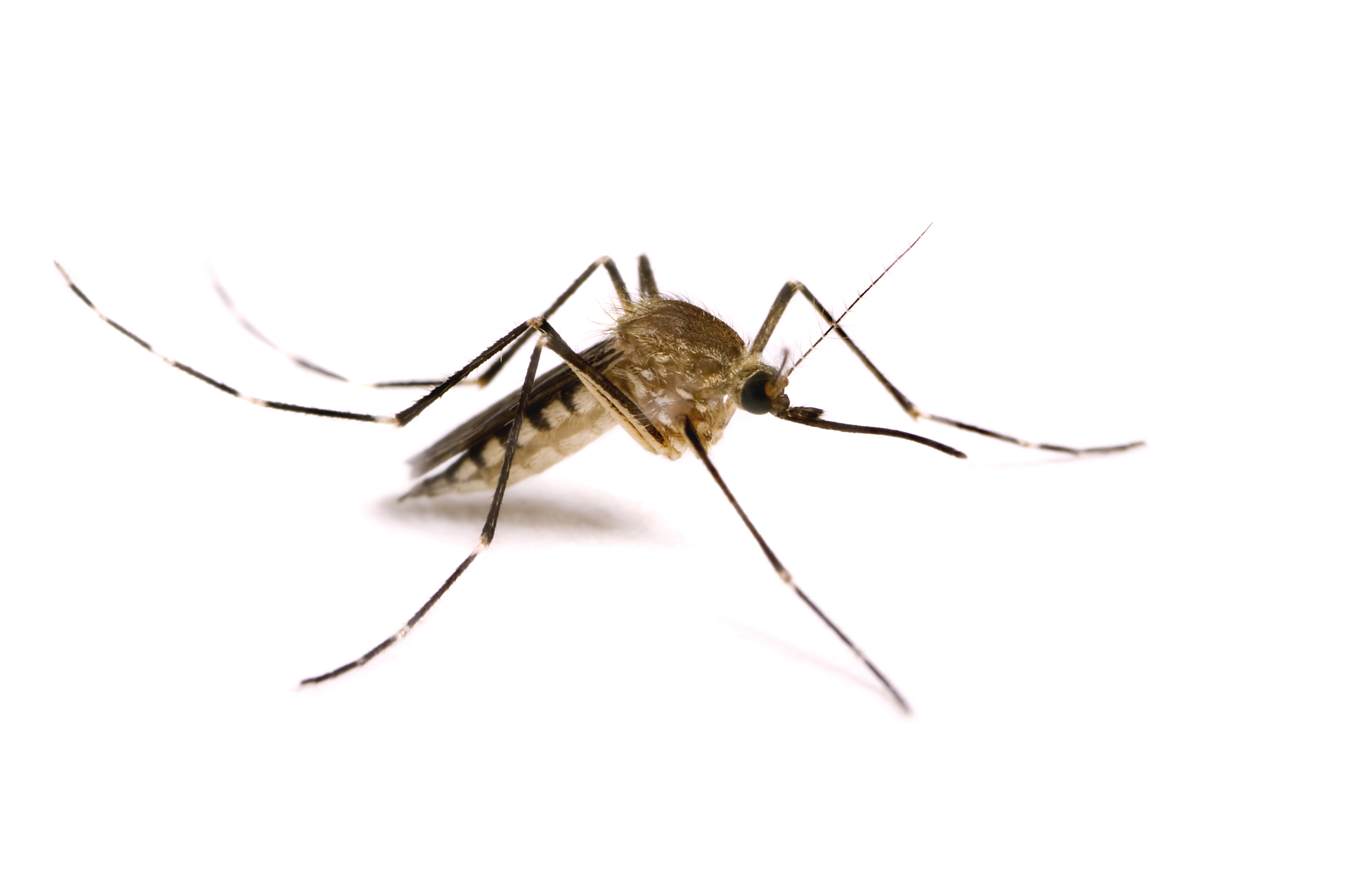 Despite continuous advances in the medical and pest control fields, eliminating dangers related to mosquito bites is not an easy feat. As the weather gets warmer, mosquitoes seem to be everywhere. Heat and humidity create the most favorable breeding ground for these annoyances. Historically mosquito-borne diseases were considered a threat throughout areas such as Africa, South America, Central America, and much of Asia. However, throughout the past decade mosquito-transmitted diseases have become a more common area of concern to the general population.
Mosquitos carry diseases
There are more than 3,000 species of mosquitoes documented and each one can carry a specific disease. Most people don’t understand the gravity of this health hazard or how to appropriately handle it. Medical breakthroughs such as vaccines and antibiotics are very useful, but do not always prove effective. Mosquito-borne diseases such as Malaria, Dengue Fever, West Nile virus, Yellow Fever, and Encephalitis can all lead to fatality if left misdiagnosed or untreated. More common are infections or sores caused by repeatedly scratched and aggravated mosquito bites.
How to avoid mosquito bites
Education and proper protection are the best ways enjoy the outdoors while avoiding potentially harmful mosquito bites. Keep these important facts in mind throughout the upcoming warm weather months:
- Mosquitoes are most active in the early evening and early morning
- They are attracted to darker colors; Wear long sleeved shirts and pants with fabric thick enough to prevent mosquito bites
- Wear shoes and socks; Your feet are easily accessible to those hiding throughout the grass. A mosquito hat can be worn to protect your face and neck rather than using repellants.
- If you do want a repellant, choose one that contains DEET (N,N-diethyl-m-toluamide); The correct DEET containing product should be determined by the wearer’s age and time spent outdoors:
- 30% DEET will remain effective for approximately 5 hours
- 10% DEET will provide approximately 3 hours of protection
- 5% DEET provides approximately 2 hours of protection
- Do not depend on outdoor repellents such as citronella candles and mosquito coils. In order to truly be effective the area must be protected so that the wind/elements do not dissipate the ingredients
- Ultrasonic devices, incents and bug zappers have not been proven effective in preventing mosquito bites. Their purpose is to attract mosquitoes, so if you’re using one ensure that it is located away from the community areas
- Mosquitoes are especially prevalent in temperatures around 45-68 degrees and near large bodies of water, in high humidity or marshy areas
- Eliminate any standing water in or around your yard’s community areas so there aren’t ideal breeding grounds available
Use our guide to biting pests to identify what you’re seeing.