

5 Pro Tips for Ant Control

Preventing ants is always a challenge, but even more so for Property Managers like you who have to keep tenants and guests happy.
Follow these 5 simple Pro Tips to keep your clients ant-free this summer:
- Figure out what kind of ants you have so you can determine what they’re eating and where they’re coming from. There are four that you’re most likely to encounter: pavement ants, Argentine ants, odorous house ants, and carpenter ants.
- Remove any litter from the foundation of the buildings. Ensure trees and bushes are trimmed away from the building.
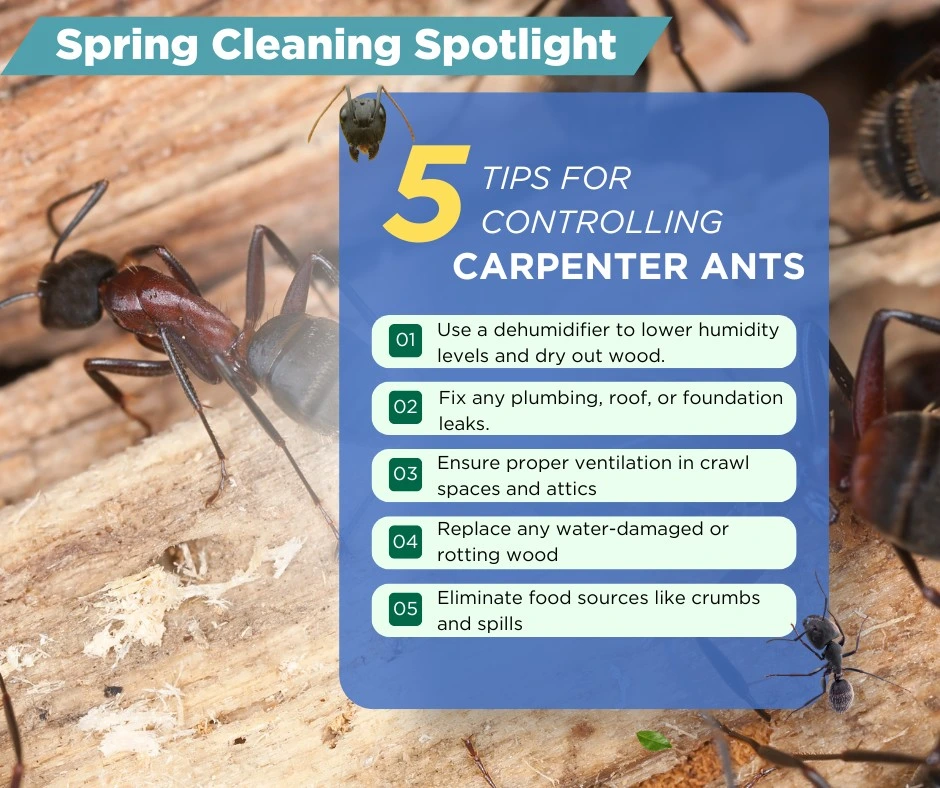
- Eliminate sources of standing water or high-moisture areas. Replace leaky faucets and run air-conditioning drain lines away from the property.
- Make sure all cracks, windows and door frames are properly sealed.
- Remove all potential food sources. Ants enjoy sugary foods, proteins, and fats. In addition to making sure your food is properly sealed-up, and be sure to quickly clean up any spills, grease splatters, and crumbs.
Understand Seasonal Ant Behavior in New England
In New England, ant activity tends to spike in late spring and peak throughout the summer months. As temperatures rise and rainfall patterns shift, ants actively forage for food and water, often making their way indoors. Property managers should be especially vigilant after heavy rains, which can flood nests and drive colonies inside buildings in search of dry shelter.
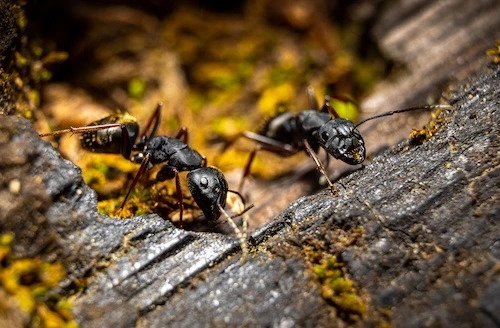
Carpenter ants, in particular, are a major concern in this region due to their ability to damage wood structures. Unlike termites, they do not eat wood, but they tunnel through it to create nesting galleries. This makes carpenter ant control a critical part of protecting your property from long-term structural issues. Regular inspections of basements, crawl spaces, and wooden structures can help catch infestations early and reduce costly repairs.
Focus on High-Risk Areas Around the Property
Certain areas of your property are more susceptible to ant activity than others. Trash collection zones, recycling areas, shared kitchens, and outdoor dining spaces are all prime targets. Make sure garbage bins are tightly sealed and emptied regularly. If possible, position dumpsters away from building entrances to reduce the likelihood of ants migrating indoors.
Additionally, pay close attention to utility entry points such as where cables, pipes, and wires enter the building. These small openings often go unnoticed but can serve as highways for ants. Sealing these gaps with durable materials like silicone caulk or weather-resistant sealant can significantly reduce entry points and support your overall carpenter ant control strategy.
Educate Tenants and Staff
Even with the best preventative measures in place, tenant behavior plays a major role in ant control. Providing simple guidelines to tenants can make a big difference. Encourage them to:
- Store food in airtight containers
- Avoid leaving pet food out overnight
- Take trash out regularly
- Report ant sightings early
For multi-unit properties, consider sending seasonal reminders or including pest prevention tips in newsletters. Maintenance staff should also be trained to identify early signs of infestations and support proactive carpenter ant control efforts before problems escalate.
Landscaping Matters More Than You Think
Landscaping isn’t just about curb appeal. It plays a critical role in pest prevention. Mulch, for example, retains moisture and can attract ants if placed too close to the building foundation. Consider using gravel or stone as a barrier instead, and maintain a gap of at least 6–12 inches between mulch beds and the structure.
Firewood storage is another common issue in New England properties. Stacking wood directly against a building creates an ideal nesting site for ants, especially carpenter ants. Always store firewood elevated and at a safe distance from the property. These small adjustments can go a long way in strengthening your carpenter ant control plan.
Partner with a Professional Pest Control Provider
While these preventative steps go a long way, ant infestations can still occur, especially in large or high-traffic properties. Partnering with a professional pest control company ensures you have a proactive plan in place. Routine inspections, targeted treatments, and seasonal monitoring can help keep your property protected year-round.
A professional can also correctly identify ant species and apply the appropriate treatment strategy. This is especially important for effective carpenter ant control, as these ants require specialized approaches that target both the colony and the nesting sites within wood structures.
Stay Proactive, Not Reactive
The key to successful ant control is consistency. Waiting until tenants start complaining often means the problem has already grown. By implementing a regular maintenance schedule, staying vigilant, and addressing small issues early, you can prevent larger infestations and maintain a positive experience for tenants and guests.
Ant prevention may take effort, but with the right approach and a strong focus on carpenter ant control, it becomes a manageable and essential part of your property management routine.
Sign Up for Exclusive Content & Special Offers
By submitting this form, you agree to allow Modern Pest Services to contact you via e-mail.