
Is Pest Control Safe for Pets?
Is Pest Control Safe for Pets?
Does getting rid of pests mean putting your pets at risk? It can certainly feel that way when every pest control product seems to come with warnings and precautions. Add a furry friend’s endless curiosity and habit of investigating everything with their nose, paws, and mouth, and it’s easy to see why many pet owners worry about accidental pesticide exposure.
This guide answers the question, “Is pest control safe for pets?” and explains how professional pest control helps keep pets safe, what to expect before and after treatment, and how to safely use DIY pest control products should you decide to tackle the job yourself.
Are Pest Control Services Safe for Pets?
Professional pest control services are designed to minimize risks to pets when carried out by a licensed pest management professional. From the very beginning, technicians work to limit your pet’s exposure by selecting appropriate products, applying them precisely where needed, and providing clear instructions on when it’s safe for everyone (paws included) to return.
Of course, professional pest control goes well beyond simply spraying pesticides. If that were the case, anyone with a spray bottle could call themselves a pest control technician!
Pet safety, like human safety, relies on Integrated Pest Management (IPM) principles that guide how professional pest control is carried out. Modern Pest follows the same philosophy, putting prevention first and only turning to chemical treatments when necessary and only to the minimum extent needed. This process involves:
- Inspecting before treating: Identify the pest species, where they’re coming from, and what’s allowing them to survive before deciding whether treatment is even necessary.
- Addressing the root cause: Seal entry points, remove food and water sources, correct moisture issues, and recommend sanitation or landscaping changes that make the property less attractive to pests.
- Using the least-risk treatment first: Physical removal, traps, exclusion, monitoring, and other non-chemical methods are considered before pesticides whenever they can solve the problem effectively.
- Applying pesticides only where needed: When chemical treatment is necessary, products are applied precisely to targeted areas rather than across the home. This reduces unnecessary exposure for pets and humans alike.
- Providing aftercare instructions: Homeowners are told how long pets should stay away from treated areas, when it’s safe to return, and any precautions to follow after the service.
Ways to Keep Your Pets Safe From Pest Control & Treatment
Anyone with a curious fur baby knows the feeling. The moment you look away, your dog is already off sniffing around, while your cat has already squeezed into that one corner you never thought it could reach. Even though professional pest control products are EPA-registered and carefully applied by trained technicians, a few simple precautions can go a long way toward keeping your pets safe before, during, and after treatment.
Before pest control
- Remove food and water bowls to avoid contamination from airborne droplets or residue.
- Store outdoor pet toys, chew items, and bedding to prevent contact with treated surfaces.
- Relocate cages, tanks, and enclosures: Move small mammals, reptiles, and birds away from treatment zones.
- Special note for bird owners: Because birds have extremely delicate respiratory systems, simply moving them to another room may not provide enough protection during liquid spray, aerosol, or fogging treatments. Check with your technician to see if your bird should temporarily leave the home until the house is fully ventilated.
- Cover aquariums securely and switch off air pumps if instructed to prevent chemicals from being drawn into the water.
- Inform the technician about every pet you have at home, including dogs, cats, birds, fish, and exotic pets.
- Tell the technician if your pet is elderly, pregnant, nursing, or recovering from an illness. Those extra details help them determine whether additional precautions, such as a temporary relocation or a longer re-entry period, are needed.
During pest control
- Keep pets out of treatment areas: Place pets in a separate, untreated room. If keeping them in another room during indoor liquid or spray applications, turn off your central HVAC (heating/AC) system and close vents to prevent airborne droplets or vapors from circulating into their space. Depending on the service, securely crating them or arranging off-site care may be recommended.
- Confirm which areas are being treated. That way, you’ll know which parts of your home or yard to avoid if you need to move around while the service is underway.
- Tell the technician immediately if a pet escapes or unexpectedly enters a treatment area. A quick heads-up allows them to assess the situation and advise whether any additional precautions are needed.
After pest control
- Wait until the technician’s recommended re-entry interval has passed before allowing pets back into treated areas.
- Keep pets away from treated surfaces, such as baseboards, cracks and crevices, mulch beds, and treated lawns, until your technician says it’s safe to return.
- Return food bowls, water dishes, toys, and bedding only after treated areas have dried or your technician has confirmed it’s safe to do so.
- Do not move or tamper with bait stations or other pest control devices placed by the technician.
- Contact your veterinarian promptly if your pet develops signs of pesticide poisoning. Keep a copy of the pesticide product information or service record on hand in case they ask for it.
Pest Control Treatments That Require Added Precaution Around Pets
Even with careful application, certain treatments call for a bit more attention simply because of how they work or where they’re placed. Think of these as situations where curiosity and exposure can intersect, especially with pets that lick, chew, or roam freely.
Rodent baits (Rodenticides)
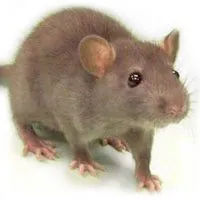
Rodent baits are a type of rodenticide formulated to attract and kill rodents. Unfortunately, those tiny pellets and grains can be just as tempting to a curious dog as they are to a rat or mouse.
While direct contact is prevented by placing baits inside locked, tamper-resistant stations, proper professional application also significantly reduces the risk of secondary toxicity (when a pet catches or eats a pest that consumed bait). When applied appropriately using modern targeted formulations, secondary exposure risks remain low. As an added layer of safety, keep pets away from sick or dying rodents, promptly dispose of any dead pests found on the property, and contact your vet if you suspect your pet has ingested a rodenticide or a poisoned pest.
Permethrin-based treatments
Permethrin is a synthetic pyrethroid insecticide used to control mosquitoes, ants, fleas, ticks, and other insects. While highly effective against pests, it is also highly toxic to cats, and severe exposure can be fatal.
In fact, veterinarians strongly warn against using flea and tick products formulated for dogs on cats, as this remains one of the most common causes of permethrin poisoning in felines.
With that in mind, always let your pest control technician know if you have cats before treatment begins. Be diligent about following the recommended re-entry interval and any additional instructions provided by your technician to keep your pet’s exposure to an absolute minimum.
Bee and wasp treatments
Bees and wasps can form colonies under roof eaves, in nearby trees, or hidden deep inside wall voids. It’s not so much the treatment itself that’s the concern, although that doesn’t mean it should be taken lightly.
The greater concern is how bees and wasps react to the treatment, as they can become highly defensive during removal. Any pets wandering too close risk being stung. So, just as you would with any other pest control treatment, keep your pets indoors until the area is safe to access.
Professional Pest Control vs DIY Pesticides: Which Is More Pet-Safe?
Below is a side-by-side comparison of professional pest control and DIY pesticide treatments from a pet safety perspective.
| Aspect | Professional Pest Control | DIY Pesticides |
| Treatment approach | Inspection, targeted treatment, and preventive measures such as exclusion and sanitation. | Usually focuses on treating visible pests after they appear. |
| Pesticide use | Products are applied only where needed and in the correct amount. | Greater chance of overapplication, repeated spraying, or treating unnecessary areas. |
| Exposure management | Targeted applications, clear timelines, and personalized guidance from your technician help reduce pet exposure. | Safe use depends entirely on the homeowner following label instructions correctly. |
| Root cause | Identifies and addresses nesting sites, entry points, moisture issues, and other contributing factors. | Underlying causes may remain, leading to recurring infestations and additional pesticide use. (which may increase long-term costs). |
| Long-term pet safety | Fewer repeat treatments can mean less cumulative pesticide exposure over time. | Persistent infestations may lead to more frequent pesticide applications around the home, increasing the chances of repeated chemical exposure for pets. |
While both consumer products and professional formulations must meet EPA regulatory standards, professional-grade products often utilize specialized active ingredients, specific concentration levels, and precise delivery methods. The key advantage of professional service comes down to expertise: technicians are trained to apply the right product in exact amounts only where necessary, avoiding the common DIY mistake of over-application.
Where professional pest control really earns its stripes is in this comprehensive approach. Rather than stopping at temporary sprays, professionals identify the root cause of the infestation, fix contributing conditions, and turn to chemical treatments only as part of a targeted plan.
It’s a classic case of “work smarter, not harder.” Fewer repeat pesticide applications mean fewer opportunities for pets to be exposed to chemicals, which can even prove more cost-effective in the long run.
Tips on Handling Pesticides to Ensure the Safety of Your Pets
If you have to resort to DIY pest control, whether that’s because you’re dealing with a small pest problem or you simply prefer doing the job yourself, a few extra precautions can make all the difference in keeping your dog, cat, or other pets well away from accidental pesticide exposure.
Read and follow the product label
No one likes playing the blame game, but findings from the National Pesticide Information Center (NPIC) show that most pesticide misapplications involve homeowners or renters rather than licensed pest control operators.
So if your pet means the world to you, don’t let something as simple as skipping the label undo your good intentions. Read the product label and follow the manufacturer’s instructions exactly as directed.
Don’t create your own pesticide formulations
Leave the recipe experiments in the kitchen. When it comes to pesticides, nothing good comes from playing chemist. If anything, it can make the mixture more toxic to both you and your pets, or even trigger chemical reactions and harmful fumes that pose unnecessary health risks.
Pay extra attention to products containing permethrin
As discussed earlier, felines cannot metabolize permethrin as efficiently as dogs and many other mammals, making them highly susceptible to poisoning from direct exposure.
Always check the active ingredients before purchasing a product. Better yet, leave it to a professional pest control service, who can identify the right treatment for the pest at hand while taking your pets into account.
Wear the recommended protective equipment
Use the protective equipment specified on the product label, such as gloves, eye protection, or long sleeves, to avoid carrying pesticide residues on your skin or clothing. Once the application is complete, wash your hands thoroughly and change or wash contaminated clothing before handling your pet.
Store pesticides safely
Keep pesticides in their original labelled containers and store them in a locked cabinet or another secure spot your pets can’t reach or get into. Never transfer pesticides into drink bottles, food containers, or unmarked spray bottles. That’s a recipe for accidental poisoning, whether it’s your pet, a child, or even another adult mistaking the contents.
Professional Pest Control With Your Pets in Mind
Pets are family, and that’s exactly how Modern Pest Services treats every home we service. Our technicians are trained in Integrated Pest Management (IPM), and we’re proud to be recognized by the EPA as an Environmental Steward for responsible pesticide use.
We also follow product label directions to the letter and provide clear re-entry and aftercare instructions, so you’re never left guessing when it’s safe for your pets to get back to their usual routine.
Give Modern Pest Services a call today at (800) 323-7378 or request your FREE quote for our comprehensive HomeCare Green program, protecting your home against more than 60 common household pests year-round.