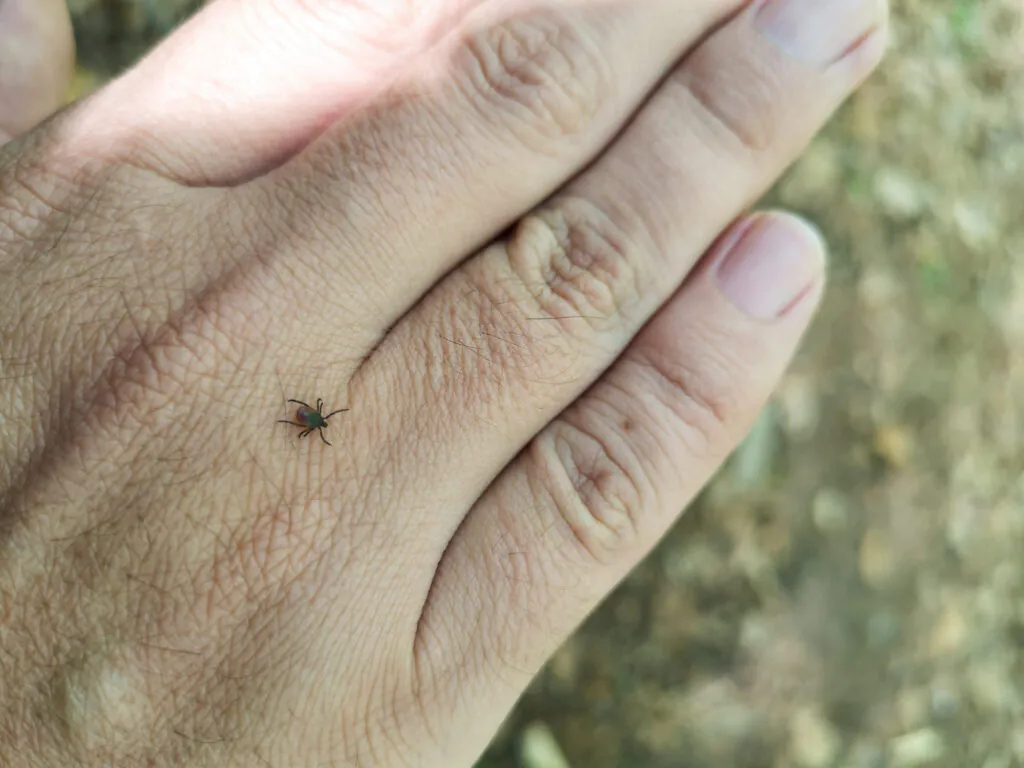

New Report on Lyme Disease in the Northeast Has Residents Worried
Ah, summer. The time of year when the sun shines bright, the birds dance across the skies – and bugs begin their attack. There’s mosquitoes, fire ants, and other stinging pests we have to look out for, but there’s one bug in particular that even exterminators have a hard time noticing and avoiding: ticks. More than a mild annoyance, these microscopic blood thirsty pests instill fear in Newton residents, and it’s all because of two words. Lyme disease.
Newton, MA is a Lyme Disease Hot Spot
A report the CDC just released shows that from 1993 to 2012, the amount of counties in the northeast with a high number of reported cases of Lyme disease has tripled, from 43 counties to 182. While they go on to say this doesn’t necessarily predict the risk of Lyme disease, it’s clear that it’s impacting more regions across the northeast. But why is it happening here? Scientists can’t pinpoint that answer just yet. Some believe it has to do with development and other habitat changes that cause the deer, and the ticks that feed off of them, to move. Compounded over time, it would make sense that an ever-widening net is cast.Learning about Lyme Disease
Lyme disease can be a truly devastating diagnosis. A lot of this is due to the fact that symptoms can be subtle at first, and people can go months and years without getting treatment. The longer the infection is in your system, the worse the symptoms get. What’s more, many experience symptoms long after the disease itself is eradicated. Contrary to common belief, Lyme disease can happen even if you fully remove the tick, including its head. It must be attached 36-48 hours prior to removal for the bacteria to enter your system. If you experience any of the following, go to the doctor.- Rash that resembles a bullseye in one or more areas of your body
- Fever, chills, fatigue, body aches and/or headache
- Wear long-sleeved shirts and pants. Light colors are best so ticks are easier to detect.
- Secure the bottom of pants inside socks or tie close around ankles.
- Wear a hat to help cover your head and hair. Tuck in long hair under your hat.
- Use tick repellent applied to clothing, particularly the lower body and the arms.
- Wash clothing in warm water and detergent immediately. Never throw potentially infested clothing in a hamper with other clothes or on the floor.
Keep Reading
Not sure what you’re dealing with? Our New England tick identification guide can help.