

How to Keep Rats Out of Compost
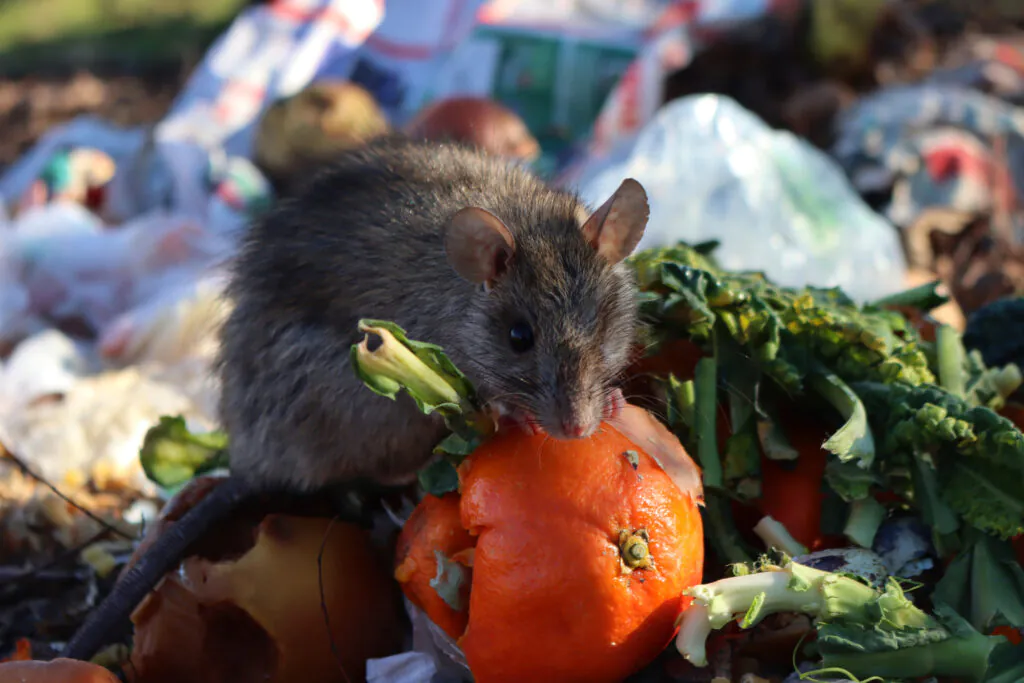
Composting is a great way to save money on fertilizer while cutting down on household waste. It’s also one small way to do your part for the environment by sending less waste to landfills and reducing the need for chemical products in your garden.
Unfortunately, your compost pile can be just as appealing to rats, only for a very different reason: food and a warm place to hunker down when temperatures drop.
Having rats thrive and multiply in the heap, along with all the diseases and other health risks they bring, is the last thing you want around your home. This guide explains how to keep rats out of your compost without giving up the many benefits of composting.
Will Compost Attract Rats?
Yes, compost can attract rats because it can provide two things they’re actively looking for: food and shelter.
Food is the obvious attraction. Fruit and vegetable scraps, grains, cooked leftovers, and other organic waste can give off odors that rats can detect with their highly developed sense of smell (fun fact: rats actually rely on their nose more for navigation because of poor eyesight).
If those scraps remain accessible or take a long time to decompose, a compost pile quickly becomes an open invitation to dinner.
Then there’s shelter. As microorganisms break down organic matter, their activity generates heat inside the compost pile. That warmth can be hard to resist on a chilly fall or winter day.
How to Keep Rats Out of Your Compost
Use a Rodent-Resistant Compost Bin
If you’re just getting started with composting, your choice of bin can save you many rat problems later. How rodent-resistant it can be, though, comes down to design. You want a bin that gives rats as few opportunities as possible to climb, chew, squeeze, or dig their way to the food scraps inside.
Look for features such as:
- A locking or firmly latched lid. Rats are capable climbers, so an open top or loose-fitting lid can give them another way into your compost.
- Hard, durable walls made of rigid plastic or metal. Check that the sides don’t flex or feel flimsy when pressed, as is the case with many lightweight plastic or fabric compost systems that rats can easily gnaw through.
- Ventilation screens made of galvanized hardware cloth or metal mesh.
- A solid or screened base that creates a barrier against burrowing rats.
- Tight-fitting doors and access panels. Harvest doors are convenient when it’s time to collect finished compost, but they should close securely without leaving any gaps that rodents can wriggle through.
Homeowners aren’t limited to the classic open-bottom compost bin.
You can opt for a compost tumbler, which keeps organic material inside an enclosed chamber raised above the ground, eliminating a rat’s burrowing route. However, it comes with a higher price tag because of its built-in tumbling mechanism and faster aeration.
If you have a small yard or plan to compost indoors, a bokashi compost system is another rodent-resistant option thanks to its airtight, sealed container.
Line the Bottom and Sides With Hardware Cloth
For homeowners who already have a compost bin or heap in place, there’s no need to buy a new one. That would be impractical. Instead, an effective upgrade is to cover ventilation slots and drainage holes with sturdy galvanized hardware cloth.
We recommend using 1/4-inch hardware cloth. The openings are small enough to block rats and the much smaller mice while still allowing the airflow and moisture needed for composting.
We’ve seen many who tried to cut corners by using chicken wire or lightweight plastic mesh instead. Eventually, they found themselves having to buy a new one after rats turned it into a chew toy. Whatever money they thought they’d saved disappeared once they had to replace it, on top of the hassle of going back to the store.
All that said, the more challenging part is installing the hardware cloth underneath an existing compost pile.
This is fairly straightforward if you’re building a new compost bin. But if you already have a full compost pile sitting there, digging everything out just to install the mesh underneath can be quite the job.
Aaron Steil, a consumer horticulture extension specialist at Iowa State University, offers more practical advice. “You may also be able to deter the invasion just enough by surrounding the bin with hardware cloth and burying the bottom six or more inches in the ground,” he explains.
Alternatively, you can also place the compost bin on concrete, pavers, or a patio, which gives rats no soil to tunnel through directly underneath. The downside is that you cut the compost off from beneficial soil organisms, such as earthworms, that naturally contribute to decomposition and nutrient cycling.
Know What to Compost and What to Leave Out
Apart from your compost bin’s design, what goes into it also determines whether rats see it as decomposing organic matter or an all-you-can-eat buffet.
The following compost ingredients are well suited for a backyard compost pile since they break down readily and are generally less attractive to rats:
- Fruit and vegetable scraps
- Coffee grounds and paper filters
- Eggshells
- Dry leaves
- Grass clippings
- Plant trimmings
- Shredded, uncoated cardboard and paper
Foods best kept out when rats are a concern include:
- Meat and fish
- Bones
- Dairy products
- Fats and oils
- Greasy or heavily sauced foods
- Cooked leftovers
- Bread, pasta, rice, and other grains
But what if reducing food waste was one of the reasons you started composting in the first place?
An option we mentioned earlier is to keep those scraps in a separate bokashi composting system. Unlike conventional composting, bokashi uses fermentation inside an airtight container, producing a nutrient-rich material that can later be added to soil or a traditional compost pile.
“The yeasts that ferment the bokashi compost make nutrients available to plants, and uninteresting to rodents,” Linda J. Brewer, Senior Faculty Research Assistant II at Oregon State University Extension Service, explains.
Bury Food Scraps Deep in the Compost
If you must add food scraps to your compost, the key is to make them as difficult for rats to detect and reach as possible.
The simplest way to do this is to dig into the center of the pile, add your scraps, then bury them completely under several inches of existing compost and browns. You can always add another layer of browns on top if needed (autumn leaves are perfect for this).
Besides putting a physical barrier between rats and their next meal, this places the scraps deeper in the pile, where decomposition is more active.
It also helps to chop larger scraps into smaller pieces before adding them. Smaller pieces expose more surface area, so they generally decompose more quickly instead of remaining intact in the pile.
That said, this approach isn’t foolproof. Rats have an excellent sense of smell and are persistent foragers, especially when faced with food scarcity. The colder months only make matters worse, as slower decomposition keeps those buried scraps on the rodent menu for longer, increasing their odds of survival.
Keep Your Compost Active
Composting isn’t a one-and-done task where you toss in your scraps and call it a day. Dr. Dana Sanchez, Professor and Extension Wildlife Specialist at Oregon State University, warns against this passive approach: “A compost that is ‘cold’ enough for there to still be edible (to rats) material is how compost becomes a rat-magnet.”
This is where active compost management, often called hot composting, comes in. The goal is to keep the compost working efficiently, reducing the amount of edible material available to rats.
The process can be a bit more nuanced, especially when considering the ideal balance of greens and browns needed to generate enough heat for faster decomposition.
On a practical level, though, what homeowners can do is simply turn the pile regularly. Doing so introduces fresh oxygen, redistributes moisture, and mixes undecomposed material into the hotter center of the pile.
A wrung-out sponge is a good mental benchmark of the moisture level you should achieve with your compost. It should be damp but not dripping wet, and never so dry that the composting process begins to stall.
You might ask, “How often should you turn it?” If it becomes compacted or starts smelling like a dumpster instead of healthy, earthy compost, that’s your cue that another turn is due.
Put Your Compost Away From Cover
Rats tend to scurry along walls, fences, and dense shrubs that give them cover as they move between food and shelter. With that in mind, placing your compost against any of these is a terrible idea.
Instead, position your compost in a more open part of the yard. This won’t repel rats outright, but with fewer places to hide, they may think twice before making the crossing. Once again, the idea is to make reaching your compost as inconvenient as possible.
And if they’re brave enough to venture into the open, well, there’s always the chance they end up on the menu for a passing hawk or owl. Consider that free rodent control.
Set Rat Traps Around Your Compost
Snap traps can kill rats before they ever reach your compost, provided they’re placed strategically. You can outsmart these pests by setting traps along the perimeter fences, walls, and other cover they naturally use as travel routes.
However, don’t be surprised if a newly placed trap sits untouched for a few days. Rats are neophobic, meaning they’re naturally cautious of unfamiliar objects in their environment.
Prebaiting an unset trap may be necessary to give rats time to become comfortable with it. Don’t forget to wear gloves when handling the trap to minimize the amount of human scent left behind.
As for live traps, we don’t recommend them. What are you supposed to do with a live rat afterward? On top of that, there’s the risk of being bitten and exposed to disease. Releasing it simply transfers the problem to another property owner.
Meanwhile, rodenticides can be just as effective, if not more so, than snap traps, but we’d be especially cautious about using them if you have pets. Either your dog or cat could come into direct contact with the bait or eat a poisoned rodent, creating a risk of secondary poisoning.
Remove Other Attractants in Your Yard
You might be doing everything right with your compost and still unknowingly rewarding rats elsewhere in the yard with food, water, and shelter. Take a walk around your property and remove or manage these attractants:
- Bird feeders and spilled seed
- Pet food and water bowls
- Fallen fruit and nuts
- Open trash bins
- Chicken feed and other animal feed
- Standing water
- Woodpiles, leaf piles, and yard clutter, which can serve as hiding or nesting places for rats
Rat Infestation? It’s Time to Call a Professional
If you’re finding fresh droppings, gnaw marks, or rats making their way indoors, the problem may have already grown beyond the compost pile itself. With the diseases rodents can carry and the damage they can cause to your home, it’s crucial to take action now to ensure your family’s health and safety.
Modern Pest’s year-round rodent control uses Integrated Pest Management (IPM) to do more than remove the rats you see. We identify how they’re getting in, eliminate the conditions supporting them, and reduce the risk of future infestations. Call Modern Pest today at (800) 323-7378 to schedule your inspection.
FAQs
What Can I Put in My Compost Bin to Keep Rats Away?
There isn’t an ingredient you can add that’s proven to repel rats. The best way to keep rats away from compost is to install 1/4-inch hardware cloth along the sides and beneath the heap. Avoiding rat-attracting food scraps, such as meat and dairy, can further reduce the chances of rats treating your compost as a food source.
Are Compost Tumblers Rat-Proof?
Compost tumblers are harder for rats to enter because they’re enclosed and raised off the ground. However, they aren’t completely rat-proof. An accidentally left-open lid or a damaged container with holes can still give rats a way inside.
Can Mice Live in Compost?
Yes. Mice can enter compost for the same reasons rats do: accessible food and a sheltered place to nest, especially as temperatures fall. Their smaller size also means openings that stop a rat may still admit a mouse, which is why 1/4-inch hardware cloth is a useful choice when screening a compost bin.
Can You Put Pet Waste in Compost?
Pet feces are best kept out of a typical backyard compost pile, especially if you plan to use the finished compost around food crops. There’s no evidence that they deter rodents. Instead, they only create sanitation concerns, particularly since pet waste can contain pathogens.