
Signs of Spiders: How to Know if Spiders Are Nesting In Your Home
If you live in a house, it’s safe to assume there are at least a few spiders sharing your space. Most of the time, spiders keep to themselves and avoid human interaction. Despite their secretive nature, there are ways to tell if there’s a population of spiders in your home. Here’s what to look for:
Physical Sightings
Seeing spiders is the most obvious sign of their presence. Unfortunately for arachnophobes, spotting one spider often means there are more nearby. While spiders are usually elusive, occasionally one may choose a less hidden location for its web or boldly scurry across a wall or floor.
In New England, there is only one native species of medically significant venomous spider—the Northern Black Widow. However, most spiders you encounter in your home are harmless, though they can still be unsettling.
Webs
Webs
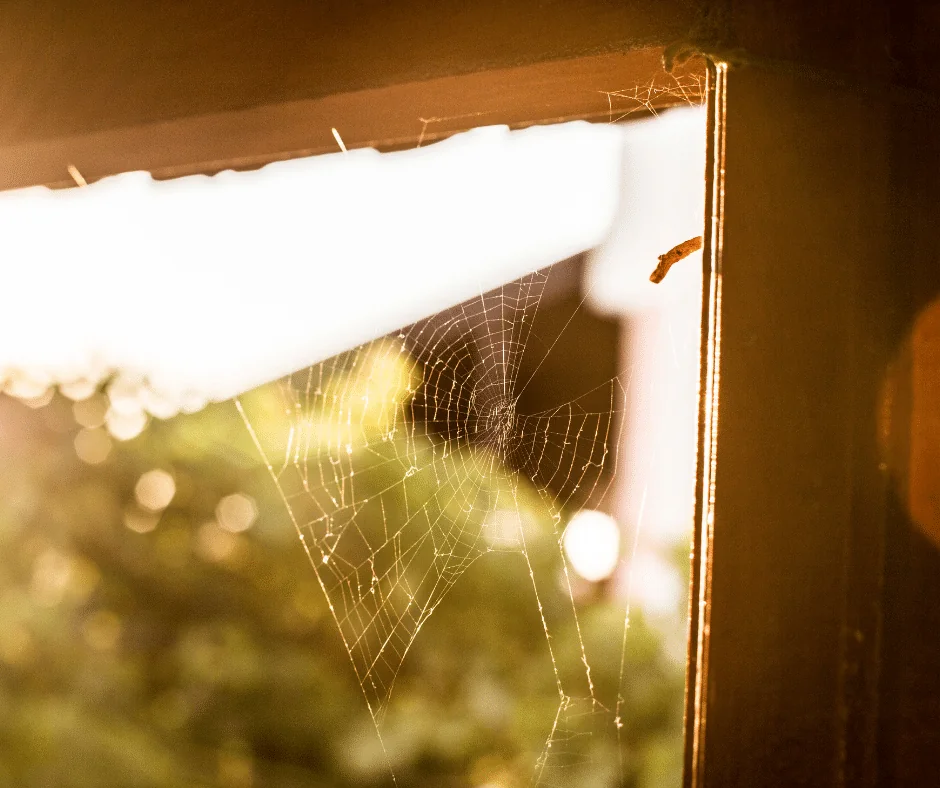
Spider webs are clear indicators of spider activity. Spiders typically construct webs in:
- Corners of rooms
- Windows
- Basements and attics
- Cluttered or undisturbed areas
Many spider species clean dirt and debris from their webs, so a clean web often indicates an active spider nearby. Cobwebs, on the other hand, are abandoned webs that have collected dust and are more visible. Their presence suggests spiders have been active in the area.
Egg Sacs
Spider egg sacs are usually white or off-white and made of silk threads. They may appear:
- Oblong and cocoon-like
- Rounded, depending on the species
Spiders prefer to lay their eggs in secluded locations with plenty of hiding spaces, such as:
- Wall voids
- Under furniture
- Closets
- Basements
- Attics
Shed Exoskeletons
Spiders molt throughout their lives, shedding their exoskeletons as they grow. Characteristics of shed exoskeletons include:
- Pale and translucent appearance
- Papery texture
Finding these in areas where spiders frequent is a sign of their presence.
What to Do About Spiders
Coexist If Possible
Spiders are generally harmless and unlikely to harm you unless provoked. They can be beneficial by preying on other pests like ants, fleas, bedbugs, flies, mosquitoes, and moths. If you’re comfortable with their presence, allowing spiders to remain can provide natural pest control.
Relocate the Spider
If you prefer not to have spiders in your living spaces, you can gently relocate them:
- Capture the Spider: Place a cup or jar over the spider.
- Secure It: Slide a stiff piece of paper or cardboard under the container to trap the spider inside.
- Release: Carry the container outside or to a desired location and release the spider.
Note: Spiders accustomed to indoor environments may not survive if released outdoors during cold weather but will become part of the natural ecosystem.
Make Your Home Less Attractive to Spiders
Declutter
Spiders thrive in areas with ample hiding places. Reducing clutter eliminates potential habitats for spiders and the insects they prey upon. Regularly clean and organize:
- Storage areas
- Closets
- Basements and attics
Proper Food Storage
By storing food in airtight containers, you reduce the likelihood of attracting insects like ants, moths, and cockroaches. With fewer prey insects available, spiders may be less inclined to settle in your home.
Maintain Cleanliness
Regular cleaning helps deter spiders:
- Vacuum and sweep: Remove webs, egg sacs, and insects.
- Dust regularly: Pay attention to corners, ceilings, and behind furniture.
Seal Entry Points
Prevent spiders from entering your home by:
- Sealing cracks and gaps: Use caulk around windows, doors, and foundation cracks.
- Repairing screens: Fix or replace torn window and door screens.
- Installing door sweeps: Prevent spiders from crawling under doors.
For more tips on sealing and pest-proofing your home, refer to guides on pest prevention techniques.
When to Seek Professional Help
If the presence of spiders causes significant distress or if you suspect a large infestation, consider contacting a professional pest control service. They can assess the situation and provide targeted treatments to manage spider populations safely and effectively.
Learn more here: spider treatment for your home.